Heron And Burke Construction Experts
Heron And Burke Construction Experts
Blog Article
Finding the Suitable Home Builder: Your Direction to Dream Homes
Choosing the suitable home builder is an important step in realizing one's perfect living space. It requires thoughtful consideration and thorough research. A array of factors come into play, from a builder's expertise to their communication style. Understanding these elements can greatly impact the construction journey. As one navigates this intricate process, certain key aspects demand attention to guarantee a successful outcome. What should one emphasize to make an informed decision?
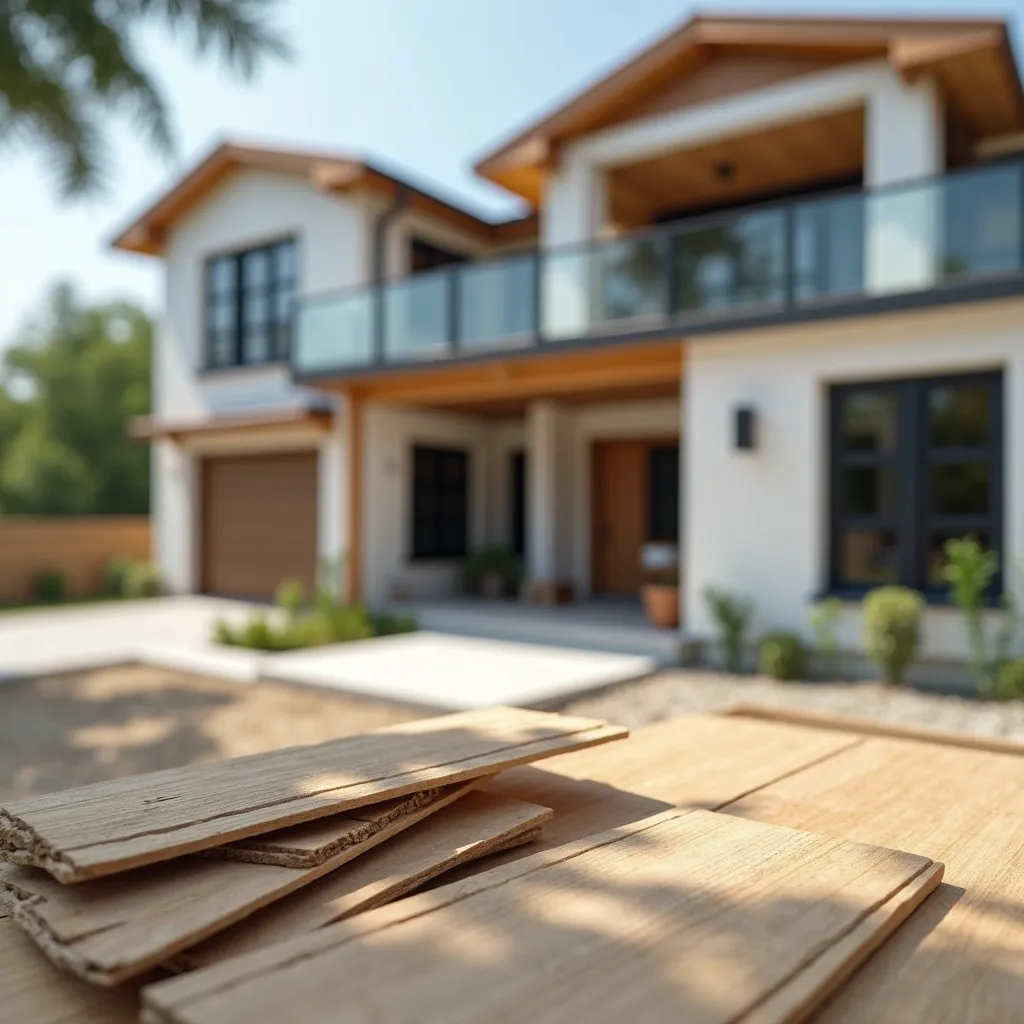
How to Start Your Search for a Home Builder?
In what manner does one commence on the path to uncover the suitable home contractor? The preliminary phase involves conducting detailed analysis to identify potential candidates. Prospective homeowners ought to utilize internet-based resources, incorporating customer reviews and testimonials, to evaluate the reputation of various builders. Networking is also valuable; soliciting recommendations from contacts, family, or property professionals often generates trustworthy selections.
Next, individuals should visit local housing exhibitions or open houses, offering firsthand experience of a builder's work. It is essential to create a shortlist of contractors who align with personal tastes and project requirements.
After this list is finalized, homeowners can begin to seek consultations. During these meetings, exploring previous projects, timelines, and communication styles can reveal much about each builder's approach. This foundational stage is critical, setting the stage for a successful construction journey ahead.
Essential Guidelines for Evaluating Home Builders
Assessing home builders requires a structured approach to guarantee that the picked professional meets specific standards and expectations. Essential elements include experience, reputation, and quality of work. A builder's portfolio should present completed projects that align with the desired style and functionality.
Testimonials and reviews from past customers reveal reliability and customer satisfaction. It is also vital to assess the builder's conversational abilities and responsiveness, as these traits can notably impact the overall experience.
Moreover, learning the builder's assurance coverage and observance of local building codes is paramount for continued confidence. Monetary stability should not be neglected; a credible builder will have substantial financial support, enabling them to complete projects on time and within budget. By concentrating upon these criteria, potential property seekers can make informed decisions when selecting the fitting contractor for their dream home.
Exploring Customization Options in Home Design
What factors influence the customization options available in residential architecture? Several aspects play a considerable influence, including the builder's experience, the construction materials used, and the jurisdiction building requirements. Established builders often deliver a expanded array of modification possibilities, as they have cultivated relationships with suppliers and service providers. Additionally, the nature of structure—whether it's a single-family residence or a multi-family unit—can prescribe the magnitude of design customization.
When considering custom design choices, homebuyers should take into account the construction timeline, as more elaborate designs may lengthen the construction period. Geographic location can affect accessible styles and building materials, as certain designs may be more suitable or preferred in specific regions. Ultimately, budget constraints can restrict options, as more intricate features and high-quality materials usually cost more. Recognizing these considerations can help buyers make informed decisions when considering custom design choices.
Understanding Price Models
Comprehending cost models is essential for homebuyers navigating the difficulties of the construction process. Builders utilize diverse cost structures, which can considerably impact overall costs. Fixed pricing offers surety, allowing clients to determine the final amount beforehand, while cost-plus pricing entails settling the actual construction costs alongside a fixed compensation, presenting potential for shifts.
Additionally, some builders offer a mixed model, blending elements from each approach. Homebuyers should also consider included features and upgrades, as these can considerably influence the total cost. Itemized estimates offer transparency, helping buyers grasp where funds are allocated.
It is important for buyers to evaluate payment schedules and potential hidden costs, such as permits or site preparation. By thoroughly understanding these arrangements, homebuyers can reach sound conclusions, ensuring they choose a builder whose pricing aligns with their spending plan and desires.
Why Open Exchange Matters When Deciding On a Construction Firm?
Communication that is transparent remains vital when picking a home builder, since it nurtures trust between the client and the builder. By making sure that expectations and project details are thoroughly discussed, parties can prevent expensive misunderstandings. Ultimately, transparent communication sets the groundwork for a successful building experience.
Establishing Confidence Via Transparency
How can potential homeowners ensure their vision aligns with their builder’s capabilities? Building confidence through clear communication is vital in this relationship. Clear communication encourages understanding, making sure that both parties are on the same page regarding project requirements, deadlines, and design details. Homeowners should express their desires while actively considering the builder’s opinions and suggestions. Consistent communications and open dialogue throughout the construction process further reinforce this trust, allowing for modifications as needed. Transparency in disclosing project challenges and solutions also improves this bond, making it easier to overcome potential hurdles together. Ultimately, clarity in communication not only harmonizes visions but also establishes a strong foundation for a successful partnership, leading to the realization of the homeowner’s dream home.
Evading High-Cost Confusion
What happens when anticipations diverge between homeowners and builders? Miscommunications can lead to costly delays, budget overruns, and dissatisfaction. Clear communication is crucial to align visions and ensure that both parties are on the same page. Homeowners should articulate their desires, preferences, and budget constraints from the outset. Builders, in turn, must offer transparent timelines, costs, and scope of work. Regular updates and open communication build trust and allow for adjustments as necessary. Recording agreements in writing helps to avoid future disputes. By emphasizing clarity, both homeowners and builders can mitigate risks, leading to a smoother construction process and a more satisfying end result. Ultimately, effective communication is the foundation of a successful building experience.
Checking Credentials and Reviews: Top Practices
When choosing a home builder, verifying references and testimonials is essential for informed decision-making. Evaluating feedback from past customers provides insight into the builder's reliability and workmanship quality. Understanding both personal references and internet reviews can significantly impact the contractor's reputation.
Importance Of References
While many elements influence the decision of a home builder, the importance of verifying references and reviews cannot be overstated. References offer firsthand accounts of a builder's reliability, quality of work, and professionalism. Engaging directly with past clients allows potential homeowners to gain insights into the builder's communication approach and ability to meet deadlines. Furthermore, reviews can showcase patterns in the builder’s performance, whether positive or negative. This information is vital for making an educated choice, as it can uncover potential red flags or strengthen confidence in a builder's expertise. Ultimately, rigorous reference checks help ensure that homeowners select a builder who corresponds to their vision and expectations, greatly impacting their overall satisfaction with the building process.
Analyzing Online Comments
How can potential homeowners effectively navigate the expansive realm of online feedback when evaluating a home builder? First, they should look for feedback on trusted websites, such as Google, Yelp, and specialized construction forums. It is essential to differentiate between genuine reviews and questionable feedback, identifying trends in feedback rather than isolated comments. Homeowners should consider both positive and negative remarks, focusing on recurring strengths or weaknesses highlighted by multiple reviewers. Additionally, they can check the builder's response to criticisms, which may demonstrate their dedication to customer service. Finally, reaching out to previous customers directly can provide deeper insights, ensuring that the builder matches the homeowner's expectations and needs.
Regularly Asked Questions
What Licenses and Certifications Should a Home Builder Have?
A home construction professional should obtain a current contractor's license, liability insurance, and relevant certifications such as OSHA training or green building credentials. These qualifications guarantee compliance with safety standards and regulatory requirements, improving trust and professional standing.
What Period Should You Anticipate for the Home Construction Process?
The residential building process usually takes six months to over a year, influenced by factors such as project complexity, seasonal weather, and authorization delays. Each stage requires careful planning to guarantee punctual completion and quality results.
Am I Able to Visit Earlier Work Completed by the Contractor?
Yes, prospective clients can often inspect previous works completed by the builder. This permits them to assess workmanship and design supplementary information excellence, helping to direct their decision-making journey and confirm happiness with their forthcoming dwelling.
What Warranties Do Construction Companies Generally Give on New Homes?
Builders routinely provide guarantees covering structural stability for ten years, vital systems like plumbing and electrical for five years, and workmanship for one year. These warranties grant homeowners with defense against defects and necessary repairs.
How Do I Verify My Builder Keeps to the Timeline?
To guarantee a builder remains punctual, one should create defined deadlines, maintain regular communication, and implement milestone check-ins. Documenting progress and tackling setbacks quickly can also help maintain project momentum.
Report this page