Complete Guide to planning your plaster repair or renovation project
Complete Guide to planning your plaster repair or renovation project
Blog Article
Expert Plaster Services: Achieve a Smooth Surface for Your Living Spaces
Plastering solutions play a significant role in enhancing the aesthetic appeal of interiors. By converting uneven walls into polished finishes, these services not only improve appearance but also tackle structural concerns. Various techniques exist, each appropriate for different needs and preferences. Grasping these options can be important for homeowners. What factors should one consider when explore the facts choosing the right plastering process? The answer may surprise you.
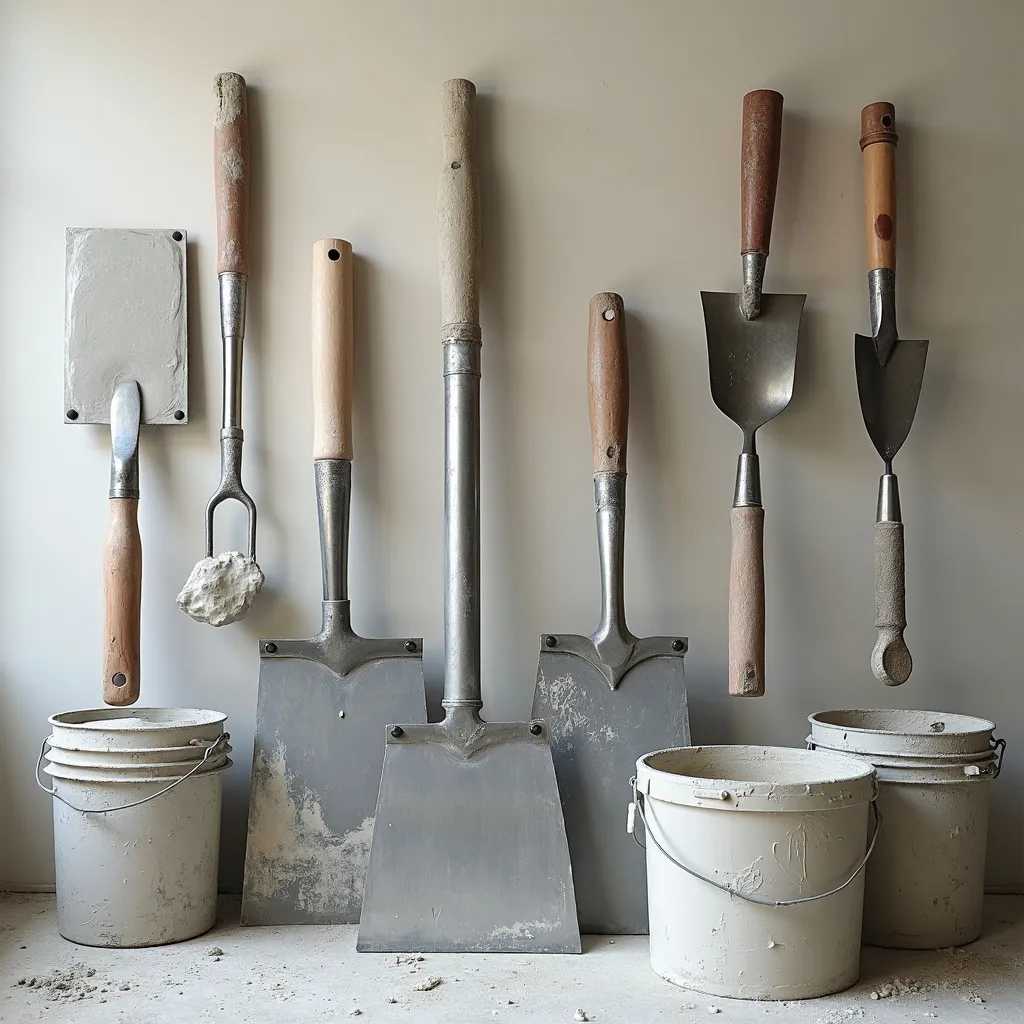
The Outstanding Strengths of Accomplished Plastering
Quality plaster application provides numerous advantages that elevate the standard of interior spaces. This specialized service enhances the aesthetic character of walls and ceilings, presenting a polished and smooth surface that is striking. Furthermore, quality plastering supports improved longevity, shielding surfaces from damage and wear over time. The use of high-quality plaster can also support superior insulation performance, regulating temperature and potentially reducing monthly utility expenses.
Additionally, experienced plastering professionals demonstrate the skills and expertise necessary to detect and correct core problems, such as dampness or construction defects, before they intensify. This proactive approach not only guarantees a flawless finish but also extends the lifespan of the work. Furthermore, the use of modern products and approaches promises a superior end result, making spaces more inviting and comfortable. Ultimately, investing in professional plastering services lays the foundation for beautifully finished interiors that survive across decades.
Typical Plastering Techniques and Their Functions
Various plastering techniques serve different visual and practical needs in interior spaces. One common method is traditional plastering, which involves applying a base coat followed by a finish coat, creating a smooth surface ideal for painting. Another technique is skimming, where a light coat of plaster is spread over existing walls to refresh their appearance without extensive restoration.
Textured plastering provides design appeal and is able to mask imperfections; techniques such as knockdown texture or stucco surface establish one-of-a-kind finishes perfect for multiple design styles. Venetian plaster, a upscale alternative, presents a luxurious, polished finish through layered applications and special application techniques, typically boosting the mood of sophisticated interiors.
To summarize, drywall plastering is regularly used for new construction projects, presenting an practical way to finish walls and ceilings. Each approach serves distinct purposes, allowing homeowners and designers to achieve desired visual aesthetics while maintaining durability.
How to Decide on the Best Plaster Method for Your Space
Determining the best plastering technique necessitates a careful assessment of the condition of the walls and the particular purpose of the space. Recognizing these elements assists in identifying the most suitable materials to use. By taking into account both the environment and functional requirements, one can make an informed choice that improves the space.
Inspect Your Wall Appearance
How does one choose the most suitable plastering technique for their room? Evaluating the wall condition is fundamental in the selection process. The first step involves examining for cracks, dampness, or uneven surfaces that can affect the plastering approach. For example, walls with significant wear may require repair before plastering, while smoother surfaces might be suited to a basic skim coat. In addition, identifying the type of wall material—such as drywall or masonry—is important for selecting the appropriate plaster. A thorough evaluation guarantees that the chosen technique not only boosts aesthetics but also delivers lasting durability. Ultimately, understanding the wall's condition facilitates informed decisions that result in a flawless finish.
Think About Room Utility
When considering the best plaster application method for a space, understanding the room's functionality is essential. Distinct areas of a home serve different purposes, which can influence the plastering approach. For instance, high-traffic rooms like hallways may benefit from more sturdy finishes that resist wear, while bedrooms might focus on aesthetics and smooth textures for added comfort.
Additionally, damp spaces such as bathrooms require specialized techniques to avoid mold and damage. In contrast, living rooms could emphasize decorative plaster finishes to enhance visual appeal. By aligning the plastering technique with the particular purpose of each room, one can achieve not only a flawless finish but also ensure longevity and functionality tailored to the environment's needs.
Pick Right Resources
What materials are best designed for plastering in a designated space? The selection of plastering materials significantly influences the appearance and resilience of the surface. Traditional lime plaster is perfect for older buildings, offering adaptability and breathability, which prevents moisture accumulation. Gypsum plaster, known for its rapid drying, is suitable for modern interiors and delivers a smooth finish. For humid areas, such as bathrooms, waterproof plaster is recommended to avoid mold growth. Additionally, considering the underlying surface is crucial; plaster should bond properly to substances like brick or concrete. Ultimately, choosing the appropriate plastering material enhances both visual appeal and functionality, guaranteeing the interior spaces stay beautiful and resilient over time.
Critical Indicators That You Must Have Professional Plastering
When evaluating the requirement for professional plastering, multiple important signs can signal underlying problems. Fractures and holes, irregular surface surfaces, and signs of moisture deterioration are critical elements to consider. Tackling these problems promptly can prevent additional decline and guarantee a even, aesthetically appealing inside.
Cracks and holes may greatly compromise both the beauty and structural integrity of interior areas. These imperfections not only reduce overall aesthetics but also indicate more serious issues inside the walls. Small cracks might appear minor, yet they have the potential to enlarge with time, resulting in additional damage. Holes caused by nails or other objects introduce weak points that impact insulation and energy efficiency. Homeowners must not neglect these warning signs; promptly repairing them with expert plastering services ensures a flawless finish and avoids costly repairs down the line. Neglecting cracks and holes may result in higher maintenance expenses and an unappealing environment, making timely repair vital for keeping the appeal and strength of interior spaces.
Uneven Wall Sections
Uneven walls can greatly lessen the visual appeal of a home, indicating the requirement for professional plastering services. Homeowners often notice irregularities in wall surface, with certain areas appearing coarse or lumpy. These imperfections can result from improper installation, building settlement, or wear over time. An uneven surface not only impacts the appearance but can also interfere with the use of paint or wallpaper, resulting in an undesired outcome. Additionally, light can throw shadows on uneven walls, further highlighting imperfections. Engaging expert plasterers guarantees that these surfaces are smoothed out, providing a consistent base for additional decoration. A smooth wall significantly enhances a home’s atmosphere and value, making timely intervention crucial.
Water Damage Signs
Water damage shows up in varied forms, often indicating the urgent need for expert plastering services. Homeowners should remain alert for clear signs. Stains or discoloration on walls and ceilings are primary signs, often appearing as yellow or brown patches. Peeling or bubbling paint also implies moisture issues underneath, as does the presence of mold or mildew, which can impact indoor air quality. Furthermore, if walls feel damp or emit a musty odor, it may point to concealed water damage. Cracks or peeling plaster can further disclose structural problems linked to moisture infiltration. Addressing these signs promptly with expert plastering services is important for keeping a secure and visually pleasing living space.
What Budget Do You Need for Plastering?
What amount should one expect for plaster work in interior spaces? The price of plastering changes significantly based on several factors, such as the space dimensions, the type of compound used, and the job difficulty. On basis, property owners can anticipate paying from $1.50 to $3.50 per square foot for basic plaster work. For highly specialized finishes, such as Venetian plaster, prices may rise to $6 or more per square foot.
Supplementary expenses may result from initial preparation, such as restoring existing walls or ceilings. Labor costs also serve as an essential factor, with skilled plasterers requesting hourly rates that can span from $25 to $75. Ultimately, acquiring multiple quotes from licensed professionals can present a clearer picture of the expected investment, ensuring homeowners make well-informed choices while planning for their plastering projects.
Preservation Suggestions for Your Newly Plastered Interiors
Once you've invested in plastering for inside areas, maintaining the newly finished surfaces is important for durability and appearance. Regular dusting with a soft, dry cloth helps prevent dirt accumulation. It's advisable to avoid abrasive cleaners that can damage the surface. Instead, mild soap mixed with water can be used for occasional cleaning.
Moisture levels management is essential; excessive moisture can bring about mold or damage. Installing a moisture controller in moist locations can alleviate this risk. To shield from damage and indentations, explore using furniture pads under large furniture.
Check the plaster regularly for damage or deterioration, tackling any issues promptly to prevent further damage. In conclusion, using a suitable sealant can improve longevity and cleaning convenience, ensuring the plaster preserves its aesthetic appeal over time. Following these maintenance tips will help preserve the beauty and integrity of newly plastered interiors.
Frequently Asked Questions
What is the Standard Duration for Completing a Plastering Project?
Plastering generally takes one to three days to accomplish, depending on the dimensions and the difficulty of the project. Setting period can prolong the total timeline, demanding additional days for optimal outcomes.
Can I layer Plaster Over existing Wallpaper or Paint?
Covering current wall layers with plaster is often not advised. The surfaces may prevent proper adhesion, contributing to cracks or peeling. For best results, removing the wallpaper or paint before plastering is advisable.
Which Kinds of Plaster Products Can You Source?
There are several plaster materials on the market, including gypsum plaster, lime plaster, cement plaster, and acrylic plaster. Each option delivers special qualities, ideal for diverse uses, settings, and sought results, addressing diverse construction and aesthetic needs.
Does Plastering Function well for Outdoor Applications?
Exterior projects can benefit from plastering, notably when using specialized exterior plasters that resist moisture and climate shifts. These products increase resistance while delivering a protective and aesthetically pleasing finish for multiple exterior areas.
How Can I Prepare My Room Prior to Plaster Installation?
To prepare a room for plastering, one should remove furniture, protect floors with drop cloths, wash walls, repair any damage, and guarantee proper ventilation. Adequate preparation ensures a easier application and superior final results.
Report this page